 Admin
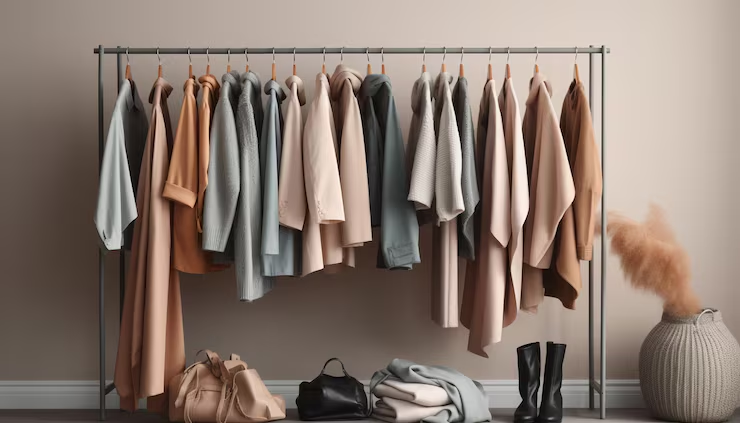
A closet stuffed with clothes and a Capsule Wardrobe Guide “nothing to wear” feeling usually mean the same thing too many random pieces and not enough that actually work together. A capsule wardrobe fixes that. It’s a small, intentional collection of clothing built around versatile, timeless pieces that mix, match, and layer easily — so getting dressed becomes simple instead of stressful.
This guide walks you through what a capsule wardrobe really is, why it matters more than ever in 2026, the essential pieces worth owning, how to choose them for your body type, and a step-by-step process for building yours from scratch.
What Is a Capsule Wardrobe?
A capsule wardrobe is a curated set of clothing — usually somewhere between 25 and 40 pieces — chosen because they fit well, suit your lifestyle, and combine into dozens of outfits. Instead of buying whatever’s trending, you invest in foundational items: things with clean lines, quality fabric, and a timeless feel rather than a trend-driven one.
The point isn’t owning less for its own sake. It’s owning better. Better fit, better fabric, better color coordination, and better combinations, so every piece earns its place in your closet.
Why a Capsule Wardrobe Matters in 2026
A full closet doesn’t guarantee more outfit options — often it just means more decision fatigue. Building a capsule wardrobe in 2026 has become especially relevant because people want clothing that’s functional, versatile, and aligned with how they actually live, not just what’s on trend this season.
A well-built capsule wardrobe helps you:
- Get dressed faster, with less morning decision fatigue
- Shop more intentionally and reduce impulse purchases
- Build stronger, more consistent outfits
- Understand what colors, cuts, and fabrics genuinely suit you
- Create a personal style that outlasts fast-fashion trends
- Travel lighter and pack smarter
Before You Start: Know Your Lifestyle
The biggest mistake people make is copying someone else’s capsule wardrobe list item for item. What works for a full-time traveler won’t work for someone at a desk job five days a week, and what works for a warm climate won’t translate to a colder one.
Before choosing pieces, ask yourself:
- What do I wear most during a typical week?
- Which colors do I gravitate toward naturally?
- Which pieces make me feel confident and put-together?
- What do I actually never wear — and why?
- What occasions do I regularly dress for (work, casual, going out, travel)?
Your answers should shape every choice that follows. A capsule wardrobe should feel personal, not copied.
Read More Blog : Fall 2026’s Biggest Fashion Trends: What Every Stylish Person Will Be Wearing
The Essential Capsule Wardrobe Pieces
Here are the timeless staples worth building your 2026 capsule around. You don’t need every single one — pick what fits your climate and lifestyle.
Tops & Layers
- A white t-shirt — the backbone of any capsule. Dress it up under a blazer or down with jeans.
- A long-sleeve tee — a lightweight layering hero for cooler days.
- A crewneck sweater — go for breathable knits like cotton, cashmere, or linen blends.
- A crisp button-down or chambray shirt — wear it open, buttoned up, tied at the front, or layered under a sweater.
- A blouse or going-out top — one piece with a little flair (an interesting neckline, subtle shimmer, ruffles) for dressier occasions.
- A cami or tank top — a simple layering base in white, black, or nude.
- A blazer — white or neutral instantly elevates jeans, skirts, or dresses.
- A long cardigan — cozy, versatile, and great for unpredictable weather.
Outerwear
- A denim jacket — the ultimate everyday layering piece.
- A trench coat or a lightweight utility jacket — pick one based on your personal style; you don’t need both in the same season’s capsule.
Bottoms & Dresses
- Well-fitting jeans — the true test of a capsule wardrobe’s reliability.
- Tailored or wide-leg trousers — comfortable, polished, and easy to dress up or down.
- Linen pants — breathable and great for warmer days.
- A midi skirt — transitions effortlessly between casual and dressy.
- A midi dress — one you can style with sneakers or heels depending on the occasion.
- A jumpsuit — an effortless all-in-one outfit.
Shoes & Accessories
- Minimal white sneakers — timeless, versatile, and easy to keep clean.
- Comfortable flats or loafers — for everyday wear.
- One elegant evening shoe option — sandals or heels for dressier nights.
- A practical everyday bag — a neutral crossbody or tote that goes with everything.
- A few statement accessories — a scarf, a belt, or bold earrings to change up a simple outfit without buying new clothes.
How to Pick Pieces That Actually Flatter Your Body Type
Fit matters more than trend. A few general guidelines:
- Triangle shapes (fuller hips, narrower shoulders): balance your frame with details up top — puff sleeves, statement necklines, or structured shoulders — paired with simpler, streamlined bottoms.
- Inverted triangle shapes (broader shoulders, narrower hips): keep tops simple and let flared, wide-leg, or pleated bottoms add volume below.
- Hourglass shapes (balanced shoulders and hips, defined waist): choose fitted or belted pieces that highlight your waistline — think tailored blazers and high-waisted bottoms.
- Apple shapes (fuller midsection): look for flowy or A-line tops and dresses with V-necks to elongate the torso, paired with structured, straight-leg bottoms.
These are starting points, not rules — the most important thing is choosing pieces you genuinely feel confident in.
How to Build Your Capsule Wardrobe: Step by Step
Step 1 — Edit what you already own. Remove anything that doesn’t fit, that you haven’t worn in a year, or that no longer matches your lifestyle. Be honest.
Step 2 — Choose your color base. Start with two or three neutrals — black, navy, beige, white, grey, or denim — then add two or three accent colors you genuinely love and wear often.
Step 3 — Define your silhouette. Make sure your tops, bottoms, and outerwear create balanced proportions together, not just as individual pieces.
Step 4 — Build around outfits, not single items. Before buying anything new, make sure it can pair with at least three pieces you already own.
Step 5 — Add personality through accessories. A capsule wardrobe doesn’t mean losing your identity — bags, jewelry, scarves, and shoes are where your personal style comes through.
Step 6 — Test and refine. Wear your capsule for a few weeks, notice what you reach for repeatedly and what you skip, and adjust accordingly.
Common Capsule Wardrobe Mistakes to Avoid
- Copying someone else’s capsule list without adjusting it to your body, climate, or lifestyle
- Buying “basics” that don’t actually fit well
- Assuming a capsule wardrobe has to be all-neutral or boring
- Forgetting accessories, which do a lot of the styling work
- Buying new pieces before editing out what you don’t wear
- Keeping duplicate items that serve the exact same purpose
Beginner vs. Advanced Capsule Wardrobe
A beginner capsule keeps things simple: a handful of easy colors, reliable basics, and low-risk combinations.
An advanced capsule goes further — playing with proportion, fabric quality, layering, and a clearer sense of personal image. A beginner asks, “What should I buy?” An advanced dresser asks, “What do I want these pieces to say about me?”
Final Thoughts
A timeless capsule wardrobe isn’t about owning the fewest possible clothes — it’s about owning pieces you actually love, that fit your body and your life, and that combine into outfits you feel good in every time you get dressed. Start with an honest edit of what you already have, build intentionally around a small color palette, and let your accessories do the rest.
Frequently Ask Questions:
1. How many pieces should a capsule wardrobe have?
There’s no fixed number — many people use around 25 to 40 pieces, but the right count depends on your lifestyle and climate.
2. Is a capsule wardrobe boring?
Not at all. A well-built capsule can be elegant and expressive through color, texture, fit, and accessories — it’s about intention, not restriction.
3. Can I build a capsule wardrobe on a budget?
Yes. Start by editing what you already own, then fill genuine gaps with quality pieces over time rather than buying everything at once.
4. Do I need to replace my capsule wardrobe every season?
Not entirely — most core pieces (jeans, blazers, white sneakers) carry over year-round. Only a few seasonal pieces, like heavier knits or linen pants, typically rotate in and out.
About the Author


